

Coastal ecology
A long seaboard on the Bay of Bengal, with fishing economies, the Chilika lagoon and the mangroves of Bhitarkanika.
The 51st All India Sociological Conference is hosted by the Department of Sociology, School of Liberal Studies, KIIT Deemed to be University, Bhubaneswar, Odisha.
About the Department of Sociology
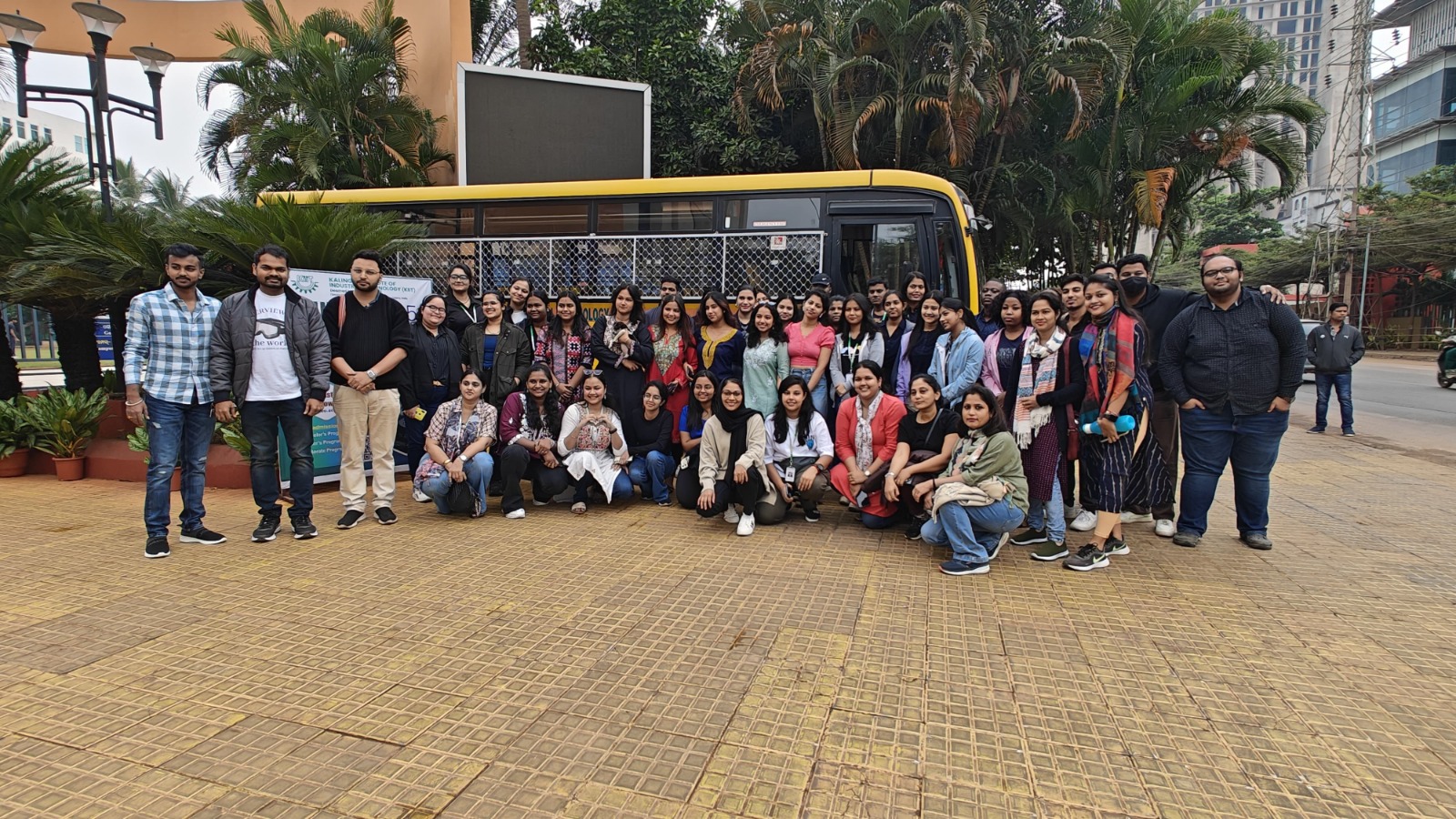
The Department of Sociology at School of Liberal Studies, KIIT University that started in 2021 has left a deep academic imprint on the landscape of Odisha. The department provides students with a dynamic and engaging learning environment combining classroom learning with experiential and field-based education. The Department boasts of faculties studied from DU, JNU, UOH, Jamia Millia Islamia and continually emphasises experiential based learning coupled with compulsory annual field visits, internship opportunities with NGOs, research organisations and UN volunteer programmes, along with one-to-one academic mentorship and career counselling. Established in line with modern educational paradigms and the New Education Policy (2020). The Department supports Undergraduate, Postgraduate and PhD programme in Sociology.
The four-year Undergraduate degree culminates in a Bachelor of Arts (Hons) in Sociology. Students can opt for a three years or four years Bachelor’s programme with flexible exit options. There is also 2 year MA in Sociology for those who have passed a 3 year BA programme and 1 year MA in Sociology for those who have passed 4 year BA programme with Honours or with Honours with Research.
The students from the Department have excelled in multiple fields that include engagements with Ministry and the private sector and also currently pursuing higher studies in University of Birmingham, Delhi School of Economics, University of Hyderabad, TISS (Mumbai) among others. The curriculum incorporates innovative and contemporary areas such as Digital Sociology, Climate Change and Sustainability, Science Technology and Society, Media and Communication, Statistical Sociology, Sociology of War, Peace and Conflict, Sociology of Love and Intimate Relationships, Sociology of Entrepreneurship, and Food, Culture and Society. Research methodology workshops, student seminars and presentations further strengthen students’ academic and research skills, while opportunities for documentary-making on social themes and student-led initiatives encourage creativity, critical thinking and engagement with society beyond the classroom.
About School of Liberal Studies
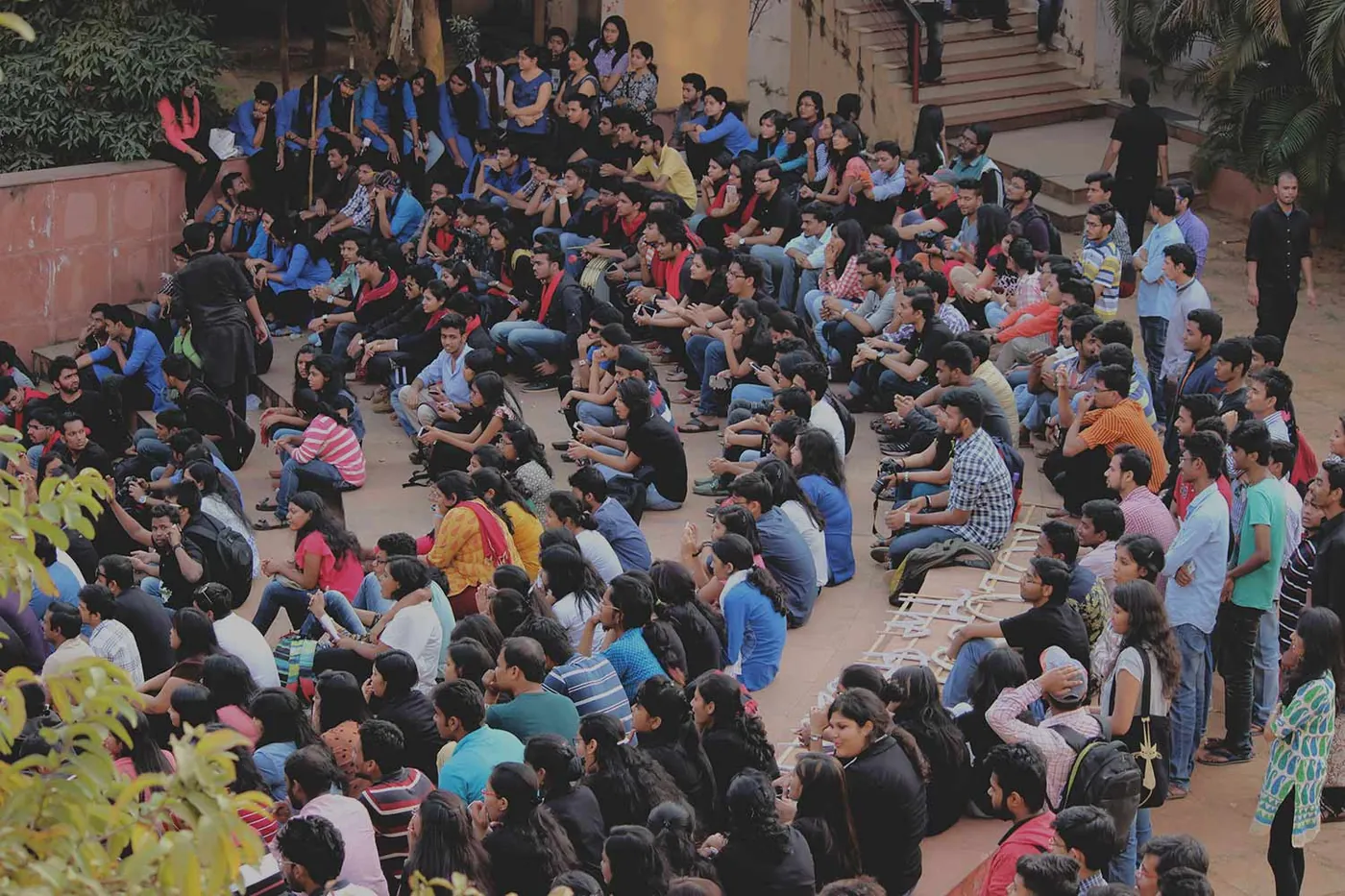
The School of Liberal Studies at KIIT Deemed to be University stands as a vibrant hub for interdisciplinary education, critical inquiry, and socially engaged research. Encompassing the Department of Sociology, Department of Psychology, Department of Humanities, Department of Language, and Department of Library and Information Sciences, the School is committed to cultivating intellectual rigor and creative synthesis integrating diverse perspectives across multiple disciplines to address the complex challenges of a rapidly changing global society. Grounded in a transformative pedagogical framework, it empowers students and researchers to critically engage with contemporary social realities, foster humanistic values, and drive policy-relevant scholarship. Through its dynamic academic programs, collaborative research initiatives, and engagement with global intellectual networks, the school continues to advance KIIT’s vision of nurturing compassionate leaders, innovative thinkers, and dedicated scholars for the future.
Liberal Studies in KIIT Deemed to be University is the first choice for students aspiring to build the foundation in professional education and executive careers or achieve intellectual brilliance in academia. This school is an ideal place for an interdisciplinary graduate area at a time when Artificial Intelligence disrupts traditional jobs and creates new ones in sectors like creative and digital education. It is a structured combination of courses across disciplines like Humanities, Languages, Social Sciences, and Library and Information Sciences. It is crafted along lines of the National Education Policy 2020.
About KIIT Deemed to be University
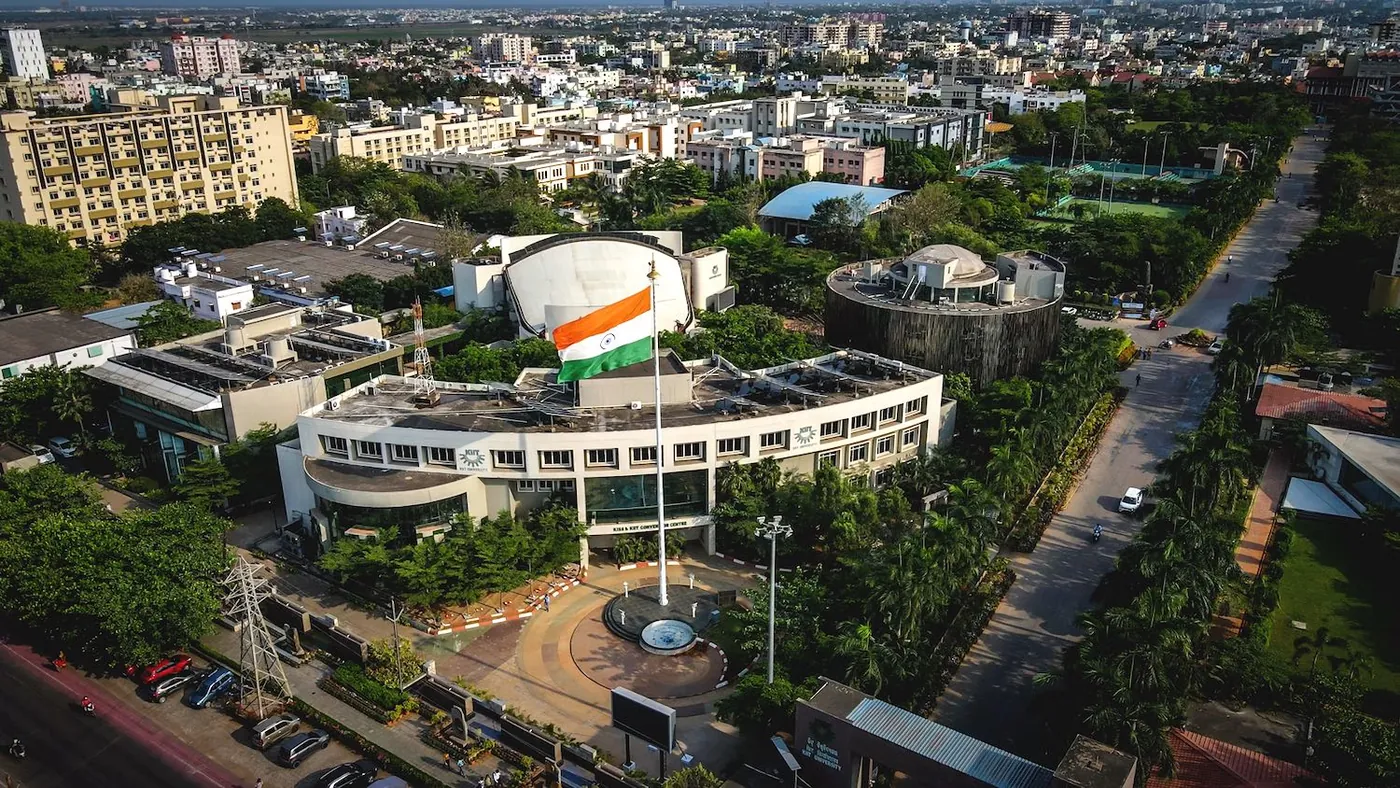
The conference is hosted on the KIIT campus in Bhubaneswar, the capital of Odisha.
KIIT (Kalinga Institute of Industrial Technology) was founded in 1992 by Dr. Achyuta Samanta and was conferred deemed-to-be university status in 2004. Its Bhubaneswar campus houses academic schools across engineering and technology, management, law, medicine and health sciences, and — through the School of Liberal Studies — the social sciences and humanities.
Full institutional profile
A detailed official profile of KIIT Deemed to be University was not supplied with the conference documents. This section will be completed with the university’s own approved text and accreditation details when provided.
About Bhubaneswar
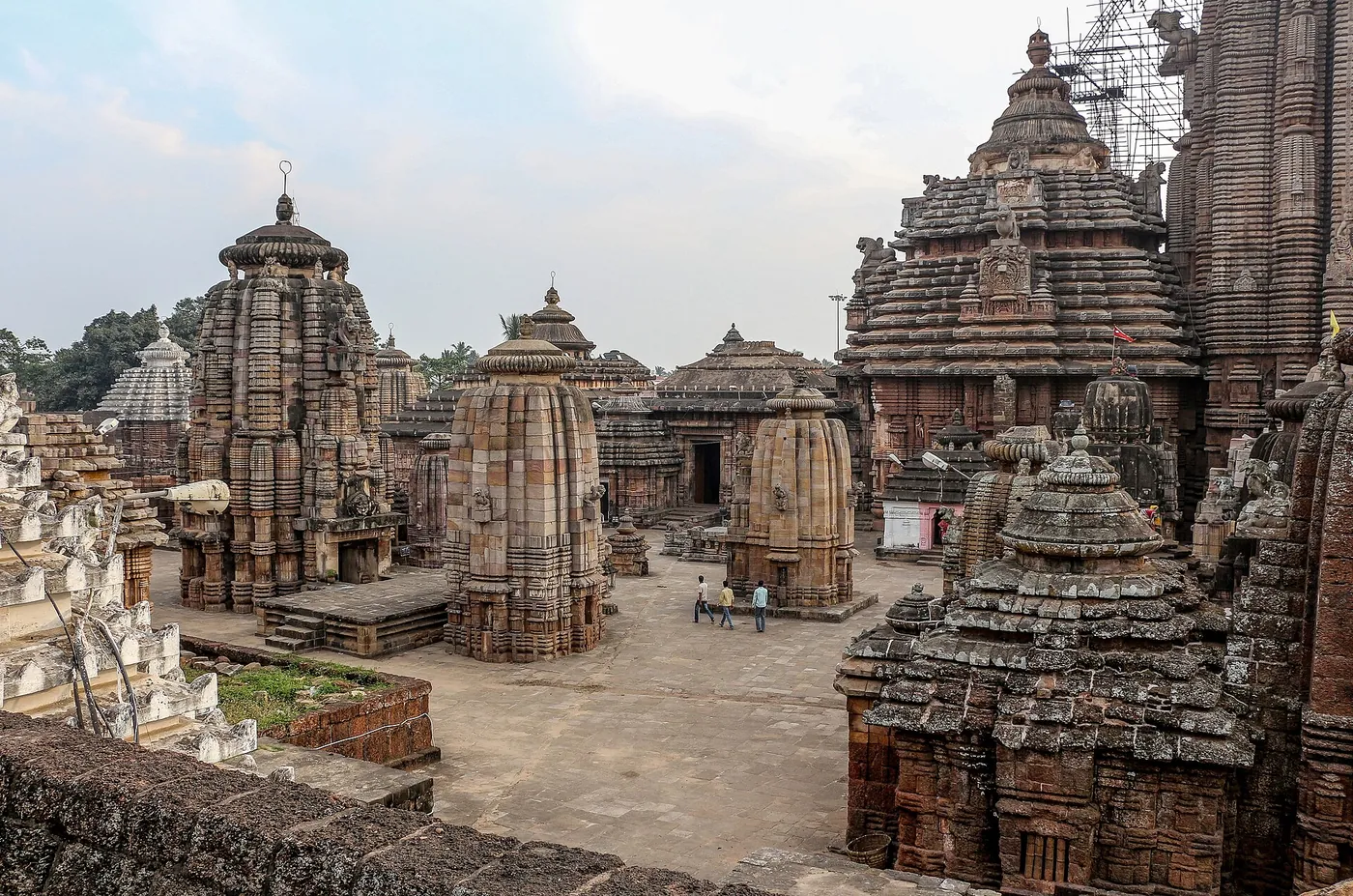
Bhubaneswar, the capital of Odisha, is known historically as Ekamra Kshetra and holds one of the densest concentrations of early temple architecture anywhere in India. Its sandstone temples — among them the Lingaraj, Mukteswar, Rajarani and Parasurameswara temples — trace the development of the Kalinga architectural tradition across several centuries. The rock-cut caves of Udayagiri and Khandagiri stand on twin hills at the edge of the city, and Dhauli, associated with the Kalinga War and the Ashokan rock edicts, lies a short drive away.
After independence Bhubaneswar became one of India’s first planned state capitals, laid out on a modernist grid beside the old temple town. That juxtaposition — the ancient pilgrimage city and the planned administrative capital — is itself a subject of sociological interest, and today the city is also a significant centre for higher education and information technology in eastern India.
About Odisha
Plenary Four is devoted to “Sociology in/of Odisha: Understanding the Region”, treating the state not as an isolated case study but as an important analytical site for examining broader transformations in India’s cultural, economic and political spheres.
A long seaboard on the Bay of Bengal, with fishing economies, the Chilika lagoon and the mangroves of Bhitarkanika.
Forest landscapes sustaining livelihoods, customary rights and long-standing relationships between communities and land.
One of India’s most diverse Indigenous populations, with a rich plurality of languages, livelihoods and community institutions.
The Kalinga tradition, from Bhubaneswar’s Ekamra Kshetra to Konark’s Sun Temple and the Jagannath temple at Puri.
Pattachitra painting at Raghurajpur, appliqué work at Pipili, and the classical Odissi dance tradition.
Mining, industry and infrastructure reshaping land, labour and livelihoods — and the social questions that follow.
The organising body
The All India Sociological Conference is the annual national conference of the Indian Sociological Society (ISS), held at a different host institution each year.
The Society organises the conference’s academic programme through its Research Committees, within whose technical sessions papers are presented. Membership of the Society and of the relevant Research Committee is mandatory in order to present a paper, and membership is administered by the Society rather than by the host institution.
Theme: “Social Change”.
Growing engagement with marginalized communities and changing patterns of collective action.
Globalization, civil society, technological change and new forms of social exclusion.
The most recent AISC before the 51st.
“Culture Region and Pedagogy: Exploring the Future of Indian Sociology”, 27–29 December 2026.
Join us
27–29 December 2026, Bhubaneswar, Odisha.