

Heritage
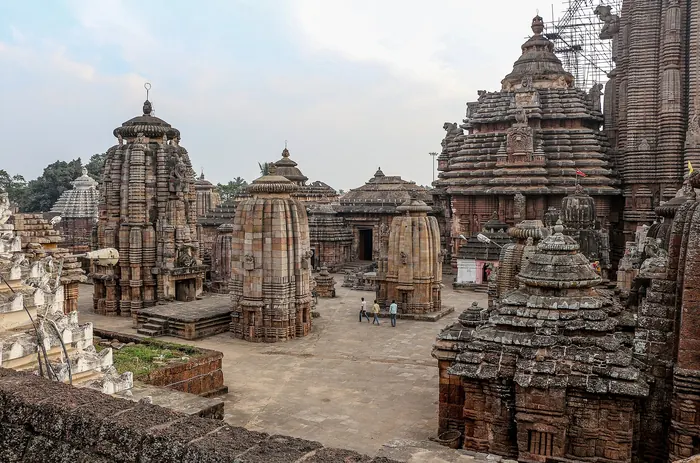
Lingaraj Temple
The principal temple of Ekamra Kshetra and the fullest realisation of the Kalinga rekha deula form, at the centre of the old temple town.
In BhubaneswarThe host city and its region are not a backdrop to this conference — they are part of its subject. Plenary Four is devoted to “Sociology in/of Odisha: Understanding the Region”.
The host city
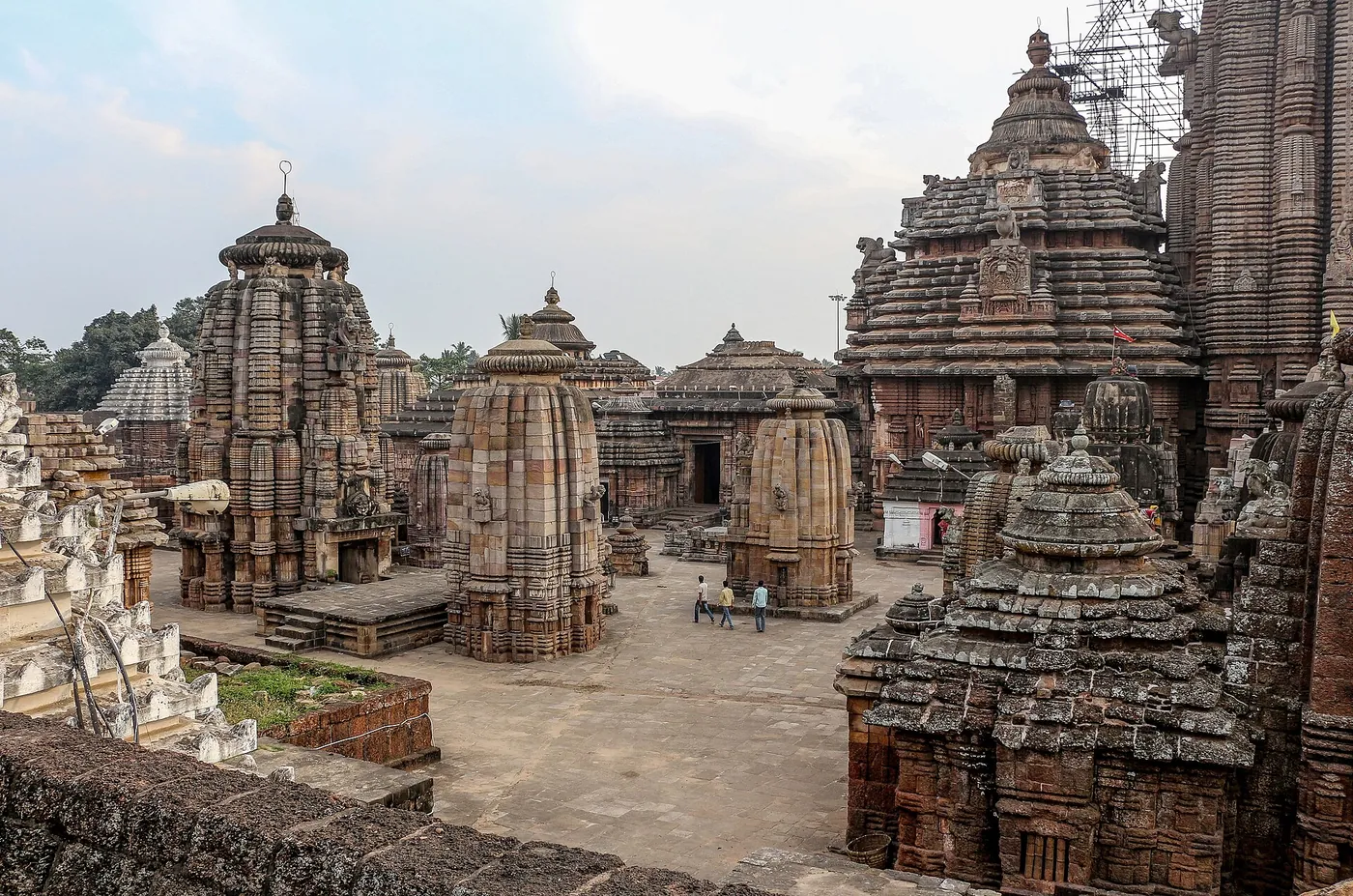
Known historically as Ekamra Kshetra, Bhubaneswar holds one of the densest concentrations of early temple architecture anywhere in India, alongside a twentieth-century planned capital.
The city's sandstone temples trace the development of the Kalinga architectural tradition across several centuries — from the small, richly carved shrines of the seventh and eighth centuries to the towering rekha deula of the eleventh. Within a short drive lie the rock-cut caves of Udayagiri and Khandagiri, and the site at Dhauli associated with the Kalinga War and the Ashokan rock edicts.
After independence, Bhubaneswar became one of India's first planned state capitals, laid out on a modernist grid beside the old temple town. That juxtaposition — the ancient pilgrimage city and the planned administrative capital — is itself a subject of sociological interest.
Four journeys from the conference
Bhubaneswar, Konark, Puri and Chilika sit within easy reach of one another along Odisha's coastal plain — temple architecture, a UNESCO World Heritage site, a living pilgrimage tradition and one of Asia's great wetlands.
Temple city & cultural heritage
Bhubaneswar
Ekamra Kshetra — centuries of Kalinga temple architecture beside a planned modern capital.
Explore
 Sun Temple & heritage
Konark
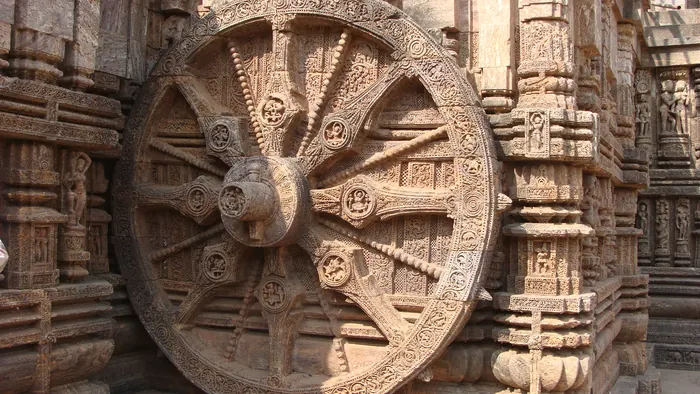
The thirteenth-century temple built as the chariot of the sun god, with its celebrated stone wheels.
Explore
Sun Temple & heritage
Konark
The thirteenth-century temple built as the chariot of the sun god, with its celebrated stone wheels.
Explore
 Jagannath Temple & beach
Puri
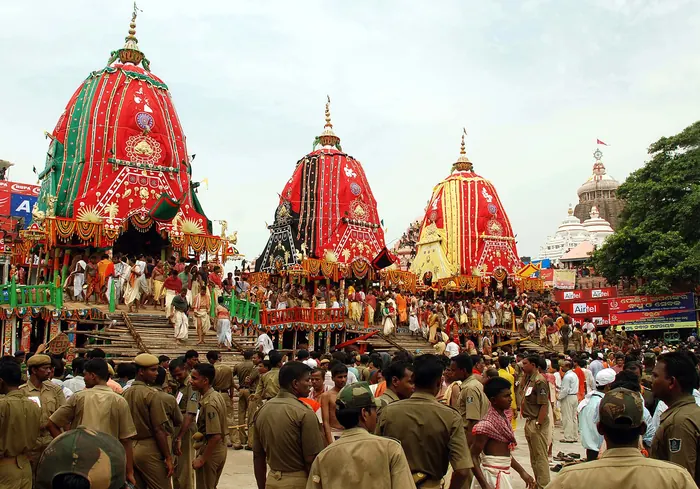
One of India's principal pilgrimage centres, and the seat of the Jagannath tradition.
Explore
Jagannath Temple & beach
Puri
One of India's principal pilgrimage centres, and the seat of the Jagannath tradition.
Explore
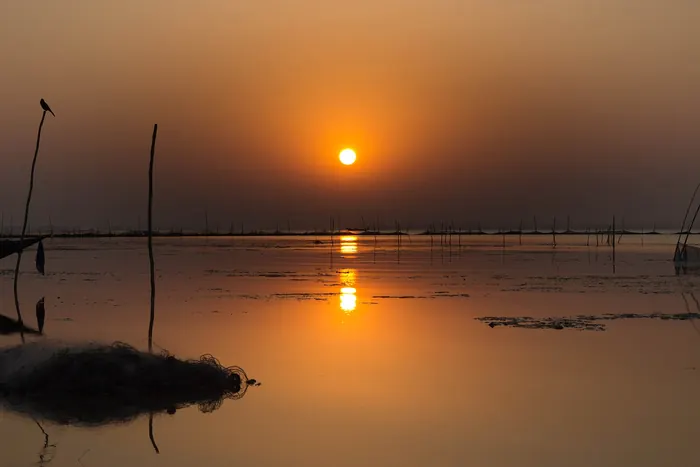 Lake, nature & wildlife
Chilika
Asia's largest brackish-water lagoon — a Ramsar wetland of dolphins, migratory birds and fishing villages.
Explore
Lake, nature & wildlife
Chilika
Asia's largest brackish-water lagoon — a Ramsar wetland of dolphins, migratory birds and fishing villages.
Explore
Heritage & temples
The principal temple of Ekamra Kshetra and the fullest realisation of the Kalinga rekha deula form, at the centre of the old temple town.
In Bhubaneswar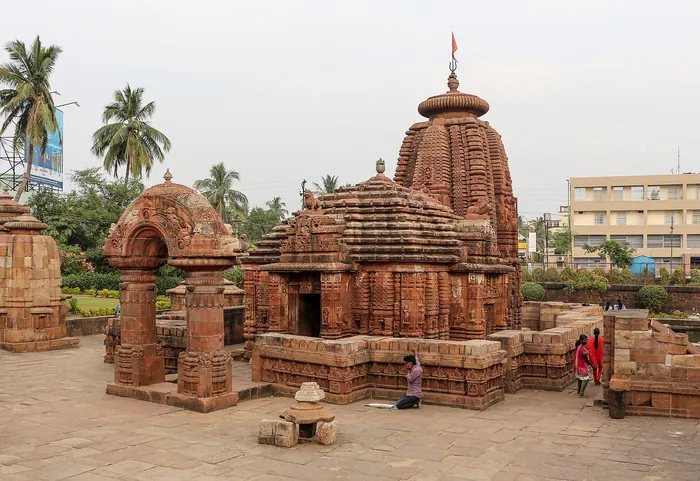
A compact tenth-century shrine celebrated for its carved torana archway and the refinement of its sculptural detail.
In Bhubaneswar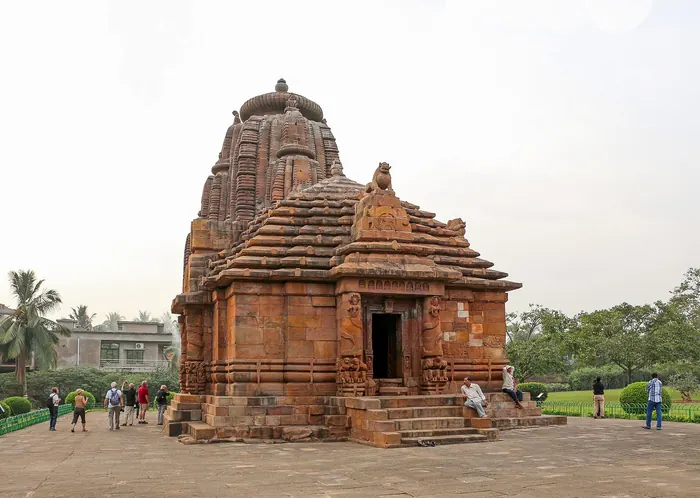
Built of the warm-toned rajarania sandstone that gives it its name, and known for the sculpted figures encircling its tower.
In Bhubaneswar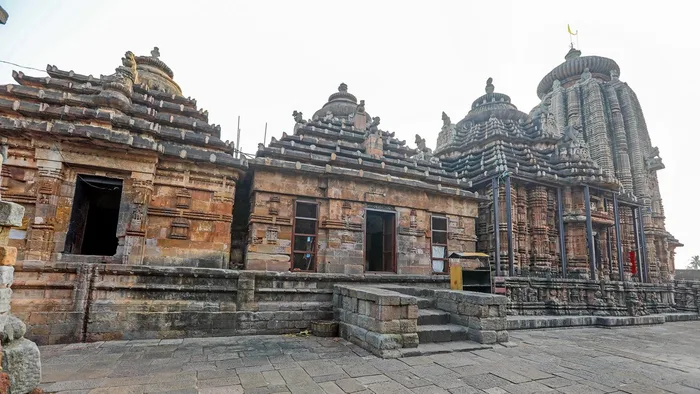
Among the earliest surviving temples in the city, valuable for understanding how the Kalinga style took shape.
In Bhubaneswar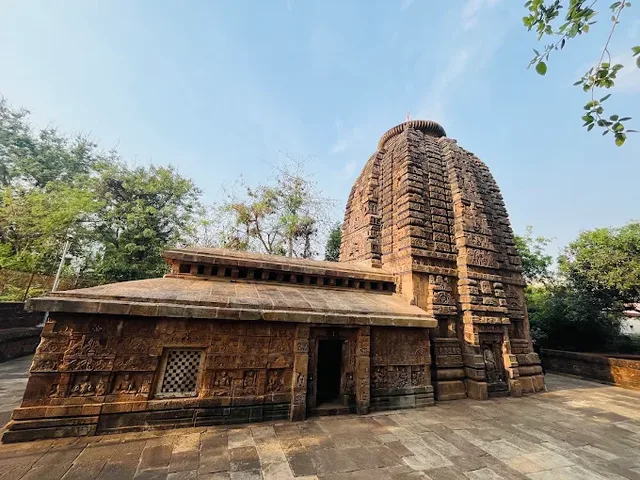
A Vaishnava temple on the bank of the Bindusagar tank, at the heart of the old city's ritual landscape.
In Bhubaneswar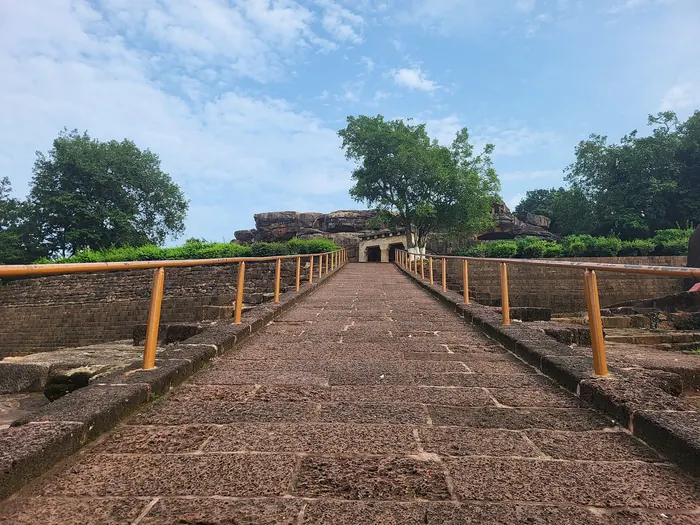
Rock-cut caves carved into twin hills, associated with the Jain tradition and the reign of Kharavela, and bearing the Hathigumpha inscription.
In BhubaneswarBeyond the city
Distances below are approximate road distances from Bhubaneswar and are given as a rough guide only.
The thirteenth-century temple conceived as the chariot of the sun god, its stone wheels among the most recognised images of Odisha — and the motif running through this conference's identity.
Approx. 65 kmOne of India's principal pilgrimage centres, and the seat of the Jagannath tradition around which much of Odia cultural life is organised. Puri's beach lies alongside the temple town.
Approx. 60 km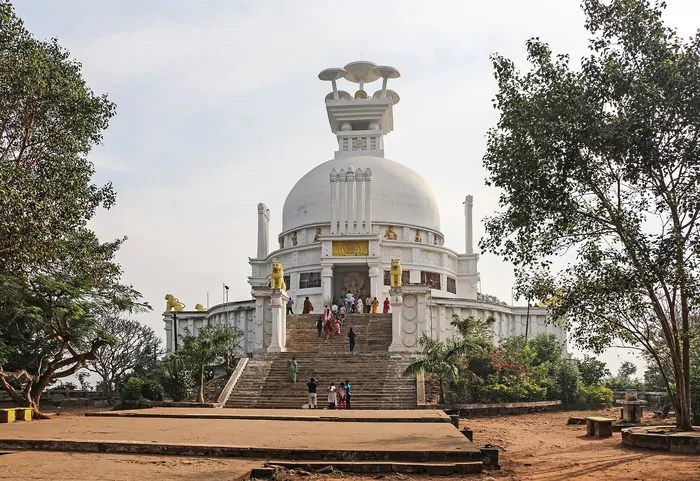
The hillside associated with the Kalinga War, bearing Ashokan rock edicts, with the Shanti Stupa above the Daya river plain.
Approx. 8 kmAsia's largest brackish-water lagoon: a Ramsar wetland supporting Irrawaddy dolphins, vast migratory bird populations and the fishing communities whose livelihoods depend on it.
Approx. 70–100 km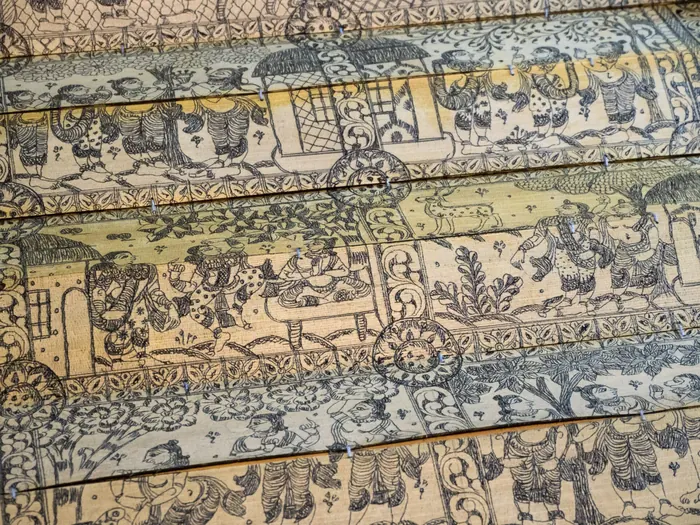
Raghurajpur is a heritage crafts village where every household practises pattachitra painting and allied arts; Pipili is known for its appliqué work.
Approx. 40–50 km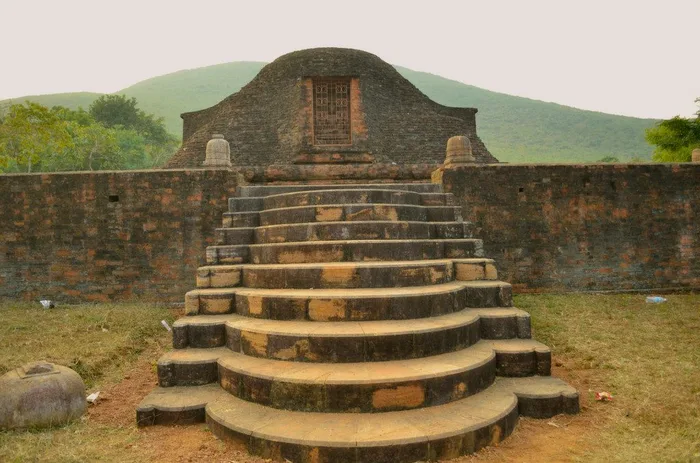
Ratnagiri, Udayagiri and Lalitgiri — monastic and stupa sites that made this region an important centre of Buddhist learning.
Approx. 70–100 km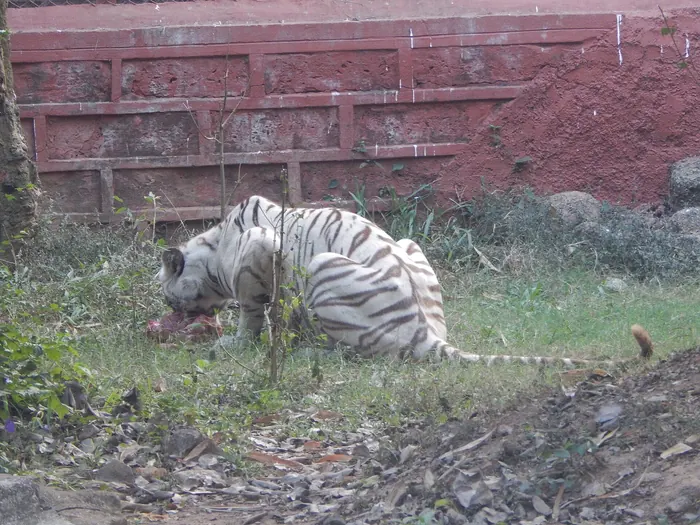
A zoological park and botanical garden set within forest, known for its white tigers, on the edge of the city.
Approx. 15 km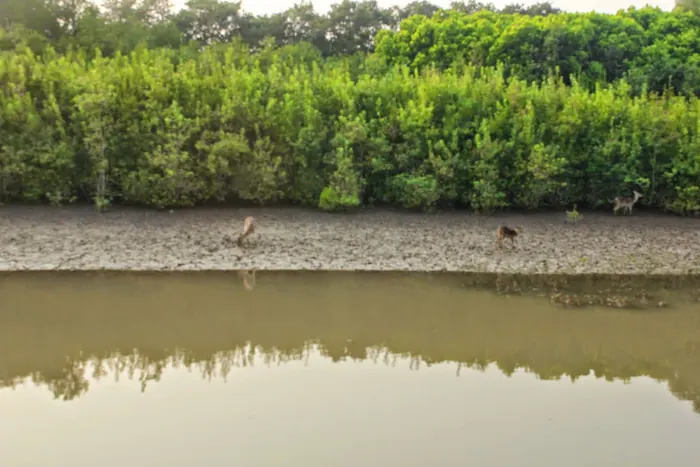
One of India's most significant mangrove ecosystems, and a coastline associated with the mass nesting of olive ridley turtles.
Approx. 150 kmCoast & living culture
Odisha's shoreline runs for hundreds of kilometres along the Bay of Bengal, and its classical and folk performance traditions remain part of everyday cultural life.
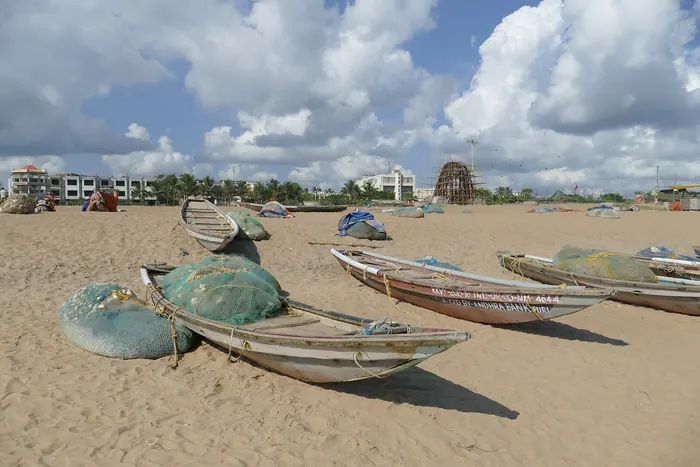
A long stretch of sand beside the temple town, busy with pilgrims, fishing boats and early-morning walkers.
Approx. 60 km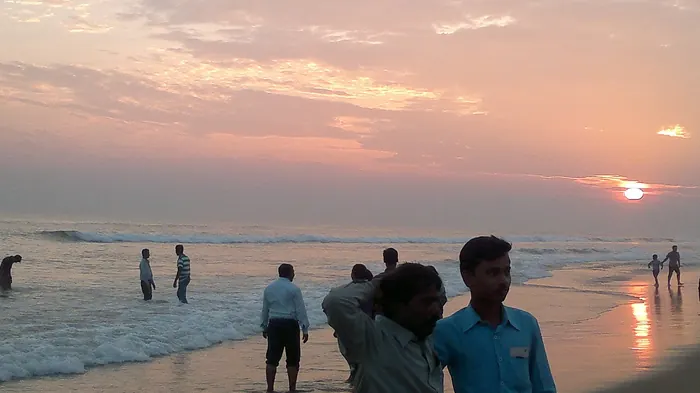
The beach nearest the Konark Sun Temple, traditionally associated with the sun and with the Magha Saptami gathering.
Approx. 65 km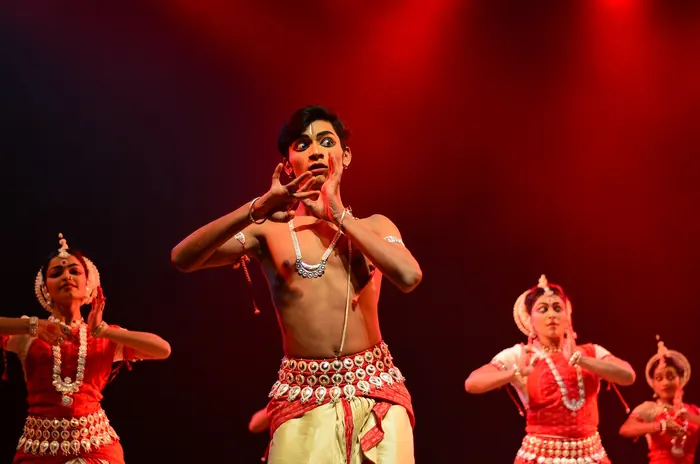
One of India's classical dance traditions, with roots in this region's temple sculpture and ritual practice.
Across OdishaCulture on a plate
Odia cooking is comparatively restrained in its use of spice, built around rice, lentils, seasonal vegetables and, along the coast, fish.
Dalma — lentils cooked with vegetables — is a staple of everyday meals. Pakhala, fermented rice served with water, is eaten especially in the hot months and carries considerable cultural significance. Among sweets, chhena poda, a baked cheese dessert, is closely identified with the state, alongside rasabali and chhena jhili. The mahaprasad tradition associated with the Jagannath temple at Puri is itself a subject of sustained sociological and anthropological interest.
Lentils cooked with vegetables — the everyday heart of an Odia meal.
Fermented rice served with water, eaten especially through the hot season.
A baked cheese dessert closely identified with Odisha.
The long seaboard shapes a distinct repertoire of fish and seafood cooking.
Plan your visit
Bhubaneswar is served by Biju Patnaik International Airport (BBI) and Bhubaneswar Railway Station (BBS), and lies on National Highway 16.